
AniSuge: art, design and dance documentaries, from Sister Wendy, Simon Schama and Finding Vivian Maier to Helvetica, Abstract, Grand Designs, First Position and Kedi, and where to watch them
Go to Homepage156 documentaries about art, design and performance: painters and museums, sculpture, photography, architecture and homes, design, fashion, dance and the stage. Search a title and press Watch now.
Trending
View all ›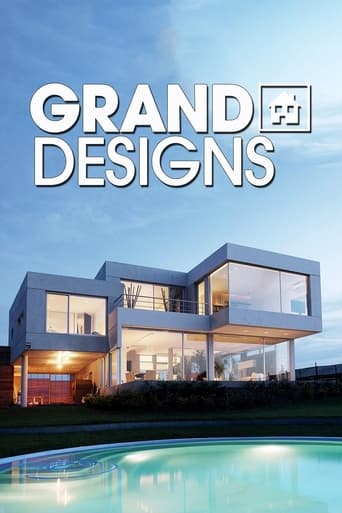

Painters and museums
View all ›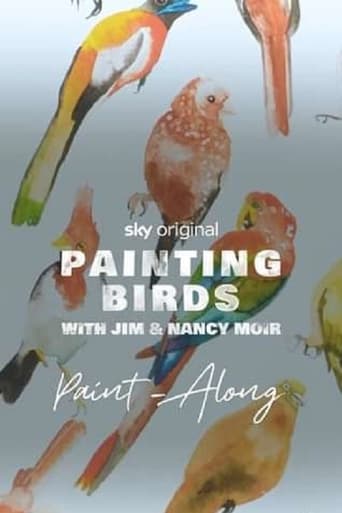
Photography
View all ›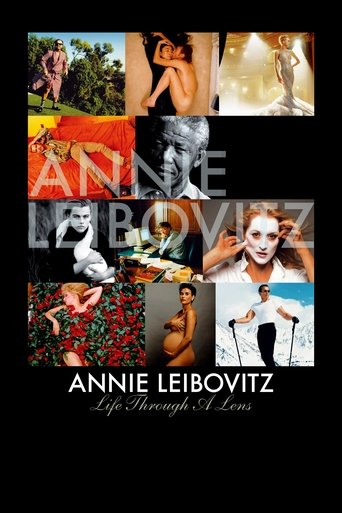

Architecture and homes
View all ›

Dance and ballet
View all ›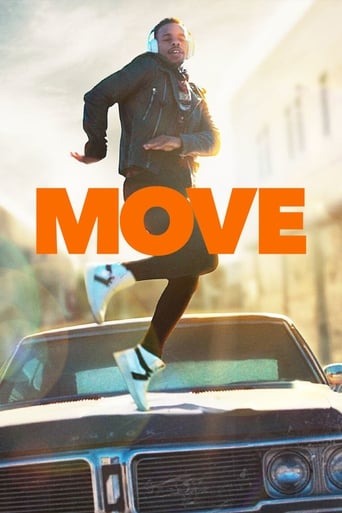

Shelves
- Documentary series 33
- Feature films 123
- Painters and museums 42
- Sculpture and public art 9
- Photography 22
- Architecture and homes 28
- Graphic and product design 11
- Fashion 12
- Dance and ballet 23
- Stage and screen 13
- Before 2000 29
- The 2000s 29
- The 2010s 80
- 2020 onward 18
- Top rated 13
- How to watch with AniSuge
- Painters and museums
- Modern artists
- Sculpture and public art
- Photography
- Architecture and homes
- Graphic and product design
- Fashion
- Dance and ballet
- Stage and screen
- Art series to binge
- The official AniSuge site
- Where AniSuge documentaries stream
- Finding a documentary
- My List
Watch art and design documentaries
AniSuge: art, design and dance documentaries, from Sister Wendy, Simon Schama and Finding Vivian Maier to Helvetica, Abstract, Grand Designs, First Position and Kedi
Art is everywhere: in the paintings of a museum, the typeface on a road sign, the chair you are sitting on, the house down the street, the photograph on a magazine cover and the steps of a dancer on a stage. Documentaries about art and design open our eyes to all of it, and they are a delight for the whole family, because they turn looking into an adventure and show how much care and imagination go into the things around us. AniSuge gathers 156 documentaries about art, design and performance, made between 1957 and 2026, 123 films and 33 series, each with its own page, its story, year, running time or episode list, and a Watch now button that leads to the official services carrying it in your country.
The catalogue has been chosen by hand for curious viewers of every age. It runs from Martha Graham's dance film of 1957 and the great art series of the BBC to the newest films about Vermeer, Polaroid cameras and the fashion of the nineties. There are painters and museums, sculptors and public artists, photographers and their famous pictures, architects and remarkable homes, graphic and product designers, fashion houses, ballet dancers and street dancers, Broadway composers and the people who make the movies.
Those themes form the shelves. Painters and museums holds 42 titles, Sculpture and public art 9, Photography 22, Architecture and homes 28, Graphic and product design 11, Fashion 12, Dance and ballet 23 and Stage and screen 13. Two format shelves split the catalogue into Documentary series and Feature films, the decade shelves trace the story through time, with 29 titles from before 2000, 29 from the 2000s, 80 from the 2010s and 18 from 2020 onward, and a Top rated shelf picks out the titles audiences have scored most highly.
AniSuge is for everyone who loves to make or admire beautiful things: children who draw on every scrap of paper, teenagers thinking about art school, parents who love to visit galleries and grandparents who remember Sister Wendy on Sunday evenings. The guides below suggest where to begin, which titles suit which ages and how to plan an art night at home.
How AniSuge looks
AniSuge takes its look from the newer landing page of the anime site whose name it echoes, a bold and simple design built around a single search bar. The page is almost black, and a slim header holds the AniSuge wordmark, with Ani in white and Suge in red, a row of white capital menu links and a small language switch with a red EN pill beside a grey JP pill.
In the middle of the home page, a wide white search bar invites visitors to type, with a red button set inside it, and beneath it an outlined dark button leads to the whole catalogue, just as the original site offered a Go to Homepage button under its search. Below come rows of posters, each row opened by a red label with dark capitals and a View all link at the far end. Each poster has a small grey tag at its foot showing Film or the number of episodes, and beneath it the title in soft white and a small grey line with the year, the length and the rating, separated by tiny dots.
Near the foot of the page, the shelves and guides are laid out as dark buttons, and this guide follows in grey text with white headings, exactly like the long introduction on the original landing page. The footer has a centred Back to top link, a thin line, a row of white links, and the logo and copyright at one side with a small notice at the other. On a phone the menu folds behind a button and the posters arrange themselves in rows of three or two.
Using the site
There are several ways into the catalogue. The search bar finds any title as you type: try Vermeer, Helvetica, Dior or ballet. The menu links open the whole catalogue and the art, design and dance shelves, and the buttons near the foot of the page open every other shelf and guide.
Every title page shows the poster, the story, the year, the running time or the full list of seasons and episodes, the artists and filmmakers where TMDB lists them, and the studio or broadcaster. The Watch now button sits near the top of every page, and Add to My List keeps the title in your browser for later.
The story of art
Several of the best titles on AniSuge are long series that tell the whole story of art. Sister Wendy's Story of Painting, first shown in 1996, follows Sister Wendy Beckett, a nun with a great love of painting, as she travels from the cave paintings of the Stone Age to the twentieth century, explaining each work with warmth, humour and remarkable insight. She became one of the most unlikely and best-loved television presenters in Britain and America, and the series remains a wonderful introduction for families.
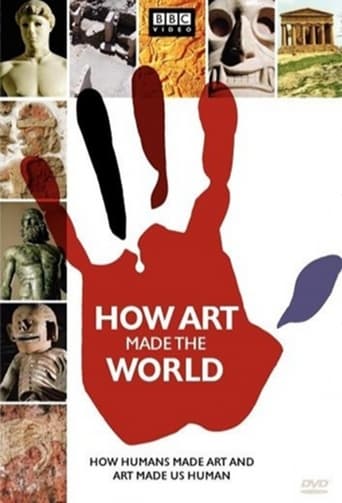
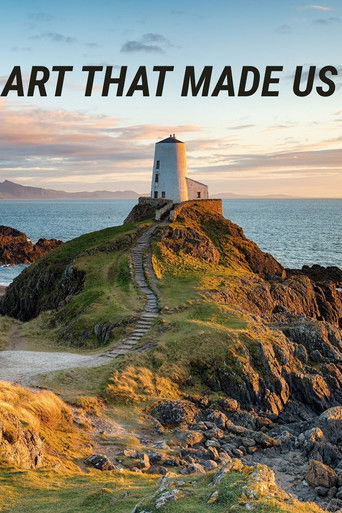
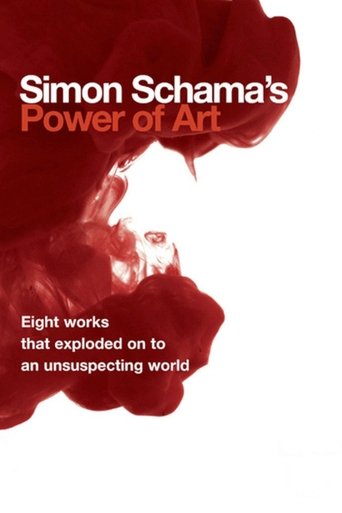
Simon Schama's Power of Art tells the stories of eight dramatic moments in the lives of great artists, from Caravaggio and Rembrandt to Turner, Van Gogh and Picasso, with actors bringing the artists to life. How Art Made The World, presented by Nigel Spivey, explores how images from the ancient world still shape how we see today, and Art That Made Us tells the history of Britain and Ireland through fifteen centuries of art.
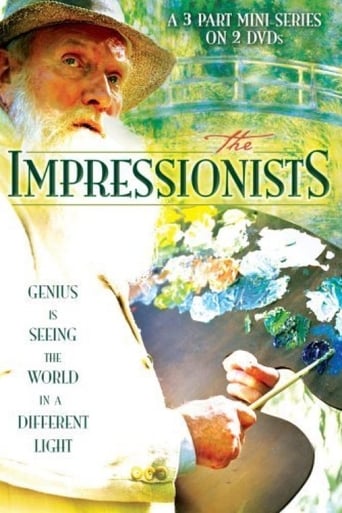
The art historian Andrew Graham-Dixon guides viewers through Art of China, The Art of Russia and Art of France, and Waldemar Januszczak brings his enthusiasm to Baroque! From St Peter's to St Paul's and The Art Mysteries with Waldemar Januszczak, which unlocks the hidden meanings in famous paintings. The Impressionists dramatises the friendship of Monet, Renoir, Degas and their circle, the young painters who changed art by painting light and everyday life.
Old masters
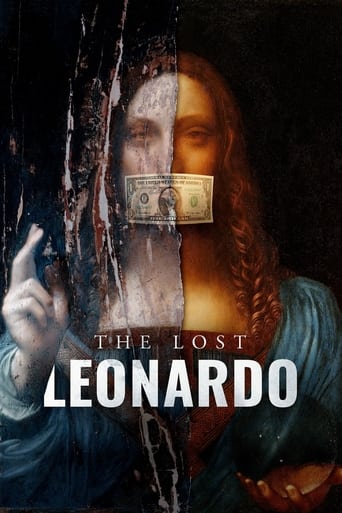
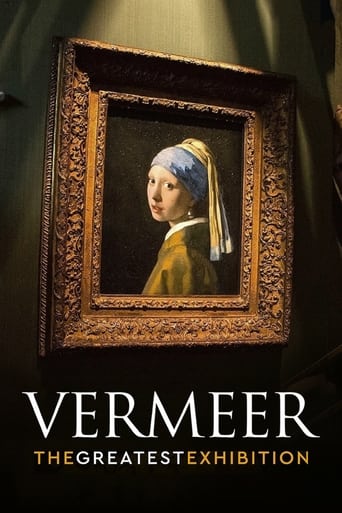
Some films focus on single artists or single exhibitions. Leonardo: The Works presents every painting by Leonardo da Vinci, the most famous artist in history, and The Lost Leonardo tells the gripping story of a painting that may be his, rediscovered after centuries and sold for a record price. Vermeer: The Greatest Exhibition visits the largest exhibition of Johannes Vermeer's paintings ever held, at the Rijksmuseum in Amsterdam, and explores the quiet, luminous pictures of the Dutch master.
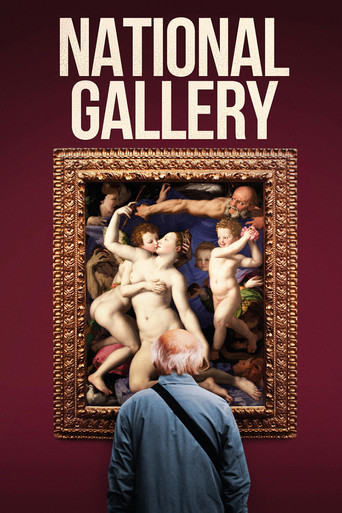
Two films go behind the scenes of great museums. National Gallery, by the documentary filmmaker Frederick Wiseman, spends weeks inside the London gallery, watching restorers, guides, educators and visitors, and The Great Museum does the same at the Kunsthistorisches Museum in Vienna as it prepares to reopen its galleries. Both are fascinating for anyone who has wondered how a museum looks after its treasures.
Modern artists
The twentieth century brought new ways of making art, and the catalogue meets many of its pioneers. Monsieur René Magritte explores the Belgian painter of bowler hats and floating apples, Soft Self-Portrait of Salvador Dali, narrated by Orson Welles, follows the playful surrealist himself, and Leonora Carrington: The Lost Surrealist celebrates the British painter who made her home in Mexico. Homage to Chagall: The Colours of Love follows Marc Chagall's long career of dreamlike, colourful paintings.
Andy Warhol looks at the leader of Pop Art, Hockney follows David Hockney from his Yorkshire childhood to the bright swimming pools of California and the landscapes of his later years, and Gerhard Richter Painting watches the German artist at work on huge abstract canvases, scraping paint across them with a giant squeegee. Louise Bourgeois: The Spider, The Mistress And The Tangerine meets the sculptor famous for her giant spiders, and Kehinde Wiley: An Economy of Grace follows the American painter who later made the official portrait of Barack Obama.
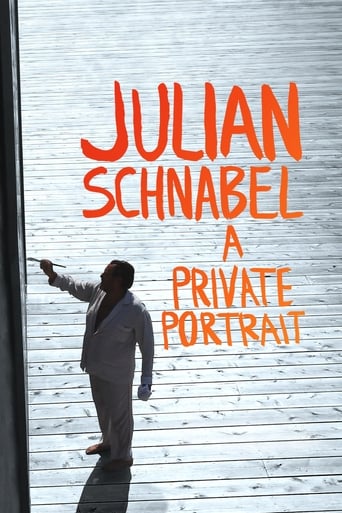
American painters have their own films: Thomas Hart Benton, made by Ken Burns, follows the painter of murals of American life, and Michael Palin In Wyeth's World and Metaphor: King Vidor Meets with Andrew Wyeth explore the quiet, beautiful world of Andrew Wyeth. The Life and Times of Frida Kahlo and Frida Kahlo & Tina Modotti celebrate the great Mexican painter, and Julian Schnabel: A Private Portrait follows a painter and filmmaker at work.
Painters for everyone
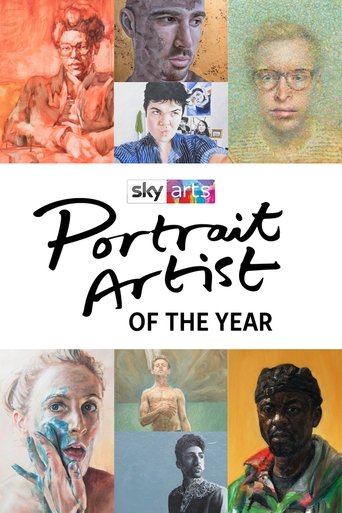
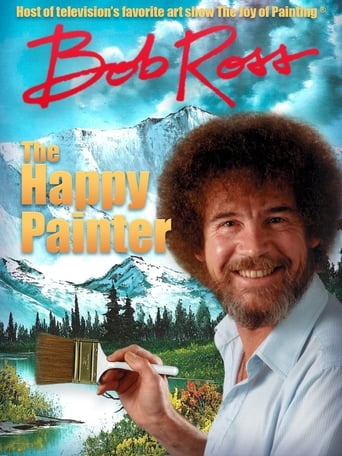
Art is also for enjoying at home. Bob Ross: The Happy Painter tells the story of the gentle television painter with the famous curly hair, who taught millions of viewers to paint happy little trees, and it is a lovely film for children who enjoy his programmes. Painting Birds with Jim and Nancy Moir follows the comedian Vic Reeves, whose real name is Jim Moir, and his wife Nancy as they paint the birds of Britain, and Portrait Artist of the Year lets viewers watch artists paint famous sitters from start to finish.
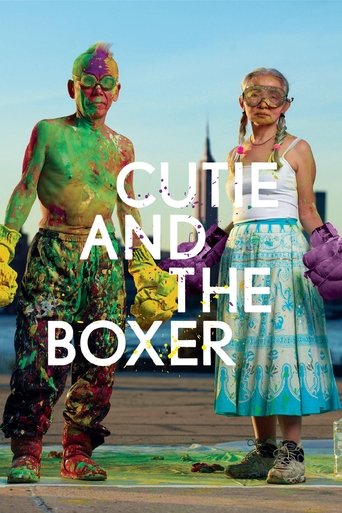
Cutie and the Boxer is a tender portrait of a Japanese artist couple in New York, the painter Ushio Shinohara, famous for his boxing paintings, and his wife Noriko, who draws her own story in comic-book form, and Heaven Is a Traffic Jam on the 405, an Oscar-winning short film, follows the artist Mindy Alper, whose drawings and sculptures express her inner world with honesty and courage. The Million Dollar Duck follows the competitors in America's Federal Duck Stamp Contest, the only art competition run by the government, and The Maestro: King of the Cowboy Artists and The Maestro Rides Again! follow a cheerful painter of cowboy scenes.
Sculpture and public art
Some artists work on a grand scale. Waste Land, nominated for an Academy Award, follows the Brazilian artist Vik Muniz as he works with the people who sort recycling at one of the world's largest rubbish dumps, near Rio de Janeiro, creating giant portraits of them from the materials they collect. It is one of the most uplifting films on AniSuge, a story about dignity, creativity and hope. Paper & Glue follows the French artist JR, who pastes enormous black-and-white photographs of ordinary people onto buildings, bridges and even the ground of whole villages.
The Stone Carvers, an Oscar-winning short film from 1984, follows the Italian-American stone carvers who spent decades decorating the Washington National Cathedral, and The Living Stone, from 1958, shows Inuit artists carving figures from stone. Breathing Earth - Susumu Shingu's Dream follows a Japanese sculptor whose artworks are moved by the wind, and Liberty: Mother of Exiles tells the story of the Statue of Liberty and what it has meant to generations of newcomers to America.
Photography
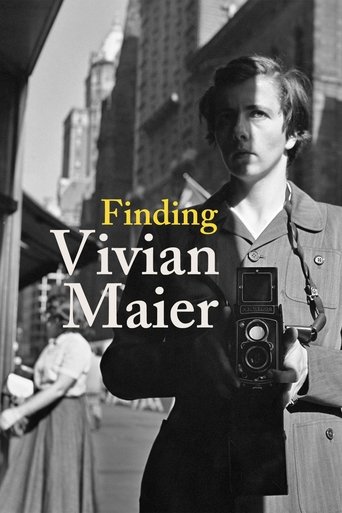
The Photography shelf holds 22 titles about the people behind the pictures. Finding Vivian Maier, nominated for an Academy Award, tells the astonishing story of a Chicago nanny who took more than a hundred thousand photographs of street life and kept them almost entirely to herself; her work was discovered in a box bought at an auction, and she is now celebrated as one of the great street photographers of the twentieth century. It is a gripping detective story as well as a portrait of an artist.
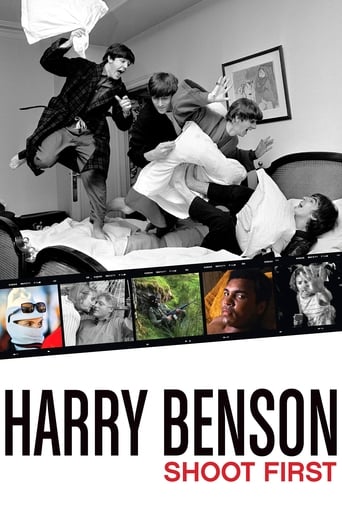
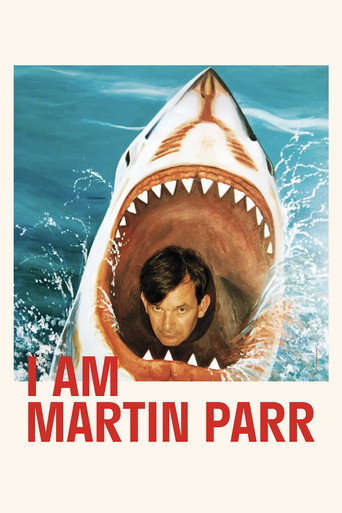
Annie Leibovitz: Life Through a Lens follows the photographer behind some of the most famous portraits of musicians, actors and presidents, McCurry: The Pursuit of Colour follows Steve McCurry, whose portrait of a young Afghan girl with green eyes became one of the most famous magazine covers ever, and Garry Winogrand: All Things Are Photographable and Jamel Shabazz Street Photographer celebrate two great photographers of the American street. I Am Martin Parr follows the British photographer of seaside holidays and everyday life, and Harry Benson: Shoot First follows the Scottish photographer who travelled with the Beatles.
Some films tell the stories behind single pictures. Men at Lunch investigates the famous photograph of construction workers eating lunch on a steel beam high above New York in 1932, and A Great Day in Harlem, nominated for an Academy Award, tells how a young photographer gathered fifty-seven jazz musicians on a Harlem doorstep for a single photograph in 1958. The President's Photographer: Fifty Years Inside the Oval Office follows the photographers who document American presidents, and Through a Lens Darkly: Black Photographers and the Emergence of a People tells the history of Black photographers in America.
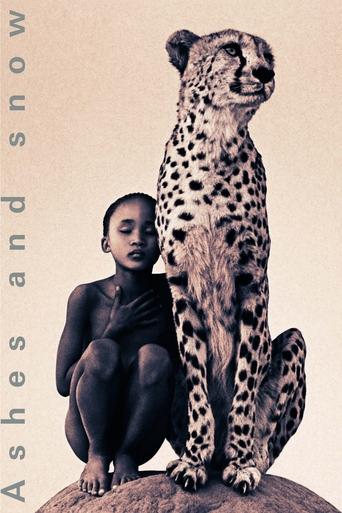
Cameras have their own stories. Instant Dreams and Time Zero: The Last Year of Polaroid Film celebrate the magic of the instant photograph and the people who saved Polaroid film from disappearing, Eadweard Muybridge, Zoopraxographer tells the story of the photographer whose pictures of a galloping horse led to the invention of cinema, and Rare: Creatures of the Photo Ark follows the photographer Joel Sartore as he photographs rare animals before they vanish. Ashes and Snow is a dreamy, beautiful film of people and animals together.
Architecture and homes
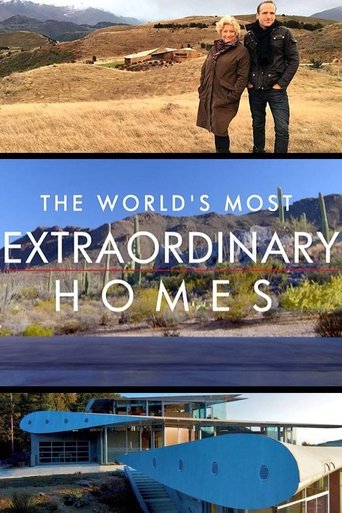
Architecture is the art we live inside, and the Architecture and homes shelf holds 28 titles. Grand Designs, presented by Kevin McCloud since 1999, follows people building the homes of their dreams, from glass boxes in the countryside to converted water towers and churches, through every triumph and setback, and it is one of the most popular programmes on British television. Grand Designs Australia, Grand Designs Abroad and Grand Designs: The Streets continue the idea, and The World's Most Extraordinary Homes and World's Most Secret Hotels visit astonishing houses and hideaways around the world.
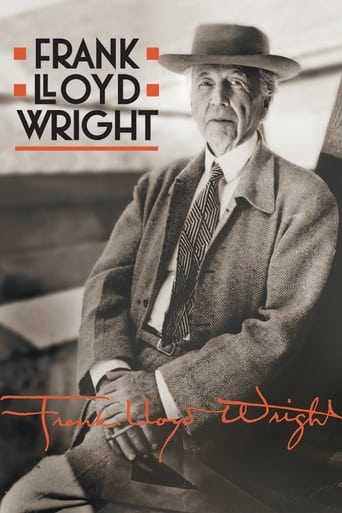
Great architects have their own films. Frank Lloyd Wright, by Ken Burns and Lynn Novick, tells the story of America's most famous architect, creator of Fallingwater and the Guggenheim Museum, and My Architect: A Son's Journey, nominated for an Academy Award, follows the filmmaker Nathaniel Kahn as he travels the world to understand his father, the architect Louis Kahn, through his buildings. Eames: The Architect and the Painter celebrates Charles and Ray Eames, the husband-and-wife designers of famous chairs and films, Kevin Roche – The Quiet Architect follows the designer of museums and offices, and Bauhaus: The Face of the Twentieth Century explains the famous German school of design.
Cities are architecture on the largest scale. Urbanized explores how cities are designed and how they could work better for everyone, The Human Scale follows the Danish architect Jan Gehl, who has helped make cities friendlier for people on foot and on bicycles, and Architecton is a striking meditation on stone and concrete, from ancient ruins to modern buildings. Skyscraper, an Oscar-nominated short from 1959, follows the building of a New York tower with music and humour.
Ancient builders
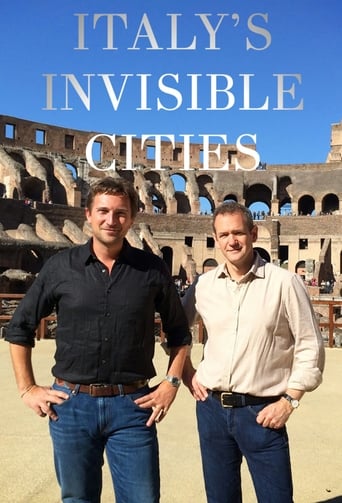
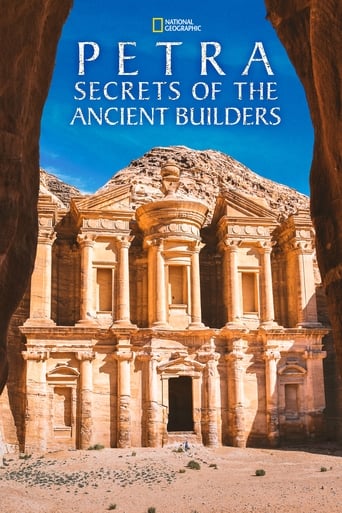
Some of the most fascinating films reveal how great structures of the past were made. Secrets of the Parthenon follows the team restoring the great temple of Athens and discovers the remarkable precision of its ancient builders, Petra: Secrets of the Ancient Builders explores the rose-red city carved into the cliffs of Jordan, and Rome's Invisible City, Italy's Invisible Cities and Rebuilding Ancient Rome use three-dimensional scanning and computer graphics to explore tunnels, aqueducts and buildings beneath modern Italy.
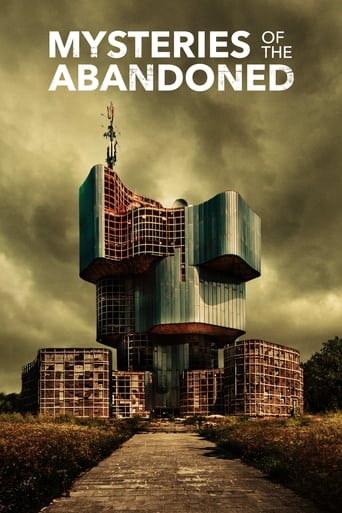
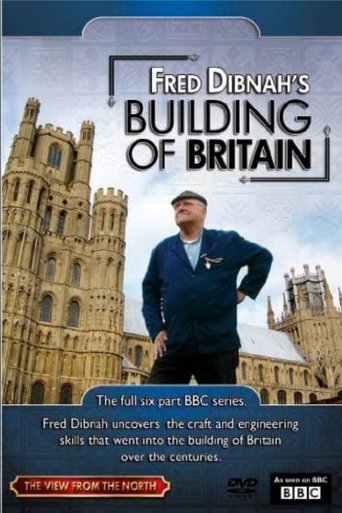
Brooklyn Bridge, Ken Burns's first film, tells the story of the great bridge and the family of engineers who built it, and it was nominated for an Academy Award. Saving Venice follows the engineers working to protect the city from rising water, Fred Dibnah's Building of Britain follows the much-loved steeplejack as he explores the great buildings of Britain, and Secrets of Britain goes behind the scenes of famous British buildings that appear in television dramas. Mysteries of the Abandoned explores the stories of extraordinary structures around the world, and If You Build It follows a class of high-school students in rural North Carolina who design and build a farmers' market for their town.
Graphic and product design
Design shapes almost everything we touch and see, and a handful of brilliant films reveal how. Helvetica, made by Gary Hustwit in 2007, is a whole film about a typeface, the clean, modern lettering that appears on signs, logos and timetables all over the world, and it is surprisingly gripping and funny. Hustwit's Objectified explores the design of everyday objects, from toothbrushes to computers, his Urbanized turns to cities, and his Rams is a portrait of the German designer Dieter Rams, whose simple, beautiful radios and record players inspired the look of modern technology.
Abstract: The Art of Design, a Netflix series, devotes each episode to a designer in a different field, from shoes and illustration to stage sets, cars and typography, and The Genius of Design tells the history of design from the Industrial Revolution to today. Design Is One celebrates Massimo and Lella Vignelli, who designed the New York subway map and signs, and Art & Copy meets the creative minds behind famous advertising campaigns.
Craft has its own champions. Pressing On: The Letterpress Film follows the people keeping old printing presses alive, Blue Gold: American Jeans tells the story of denim from the workwear of miners to a worldwide fashion, and Going Attractions: The Definitive Story of the Movie Palace celebrates the grand cinemas of the early twentieth century, with their gold ceilings, velvet curtains and glittering lobbies.
Fashion
Fashion is art you can wear, and the Fashion shelf holds 12 titles. Valentino: The Last Emperor follows the Italian designer Valentino Garavani and his partner Giancarlo Giammetti through the final years of his career, with glorious gowns and grand celebrations in Rome, and Inside Dior goes behind the scenes of one of the most famous fashion houses in Paris. Marc Jacobs & Louis Vuitton follows the designer who transformed a luggage company into a fashion house, and Martin Margiela: In His Own Words meets a famously private designer who changed fashion while staying out of the spotlight.
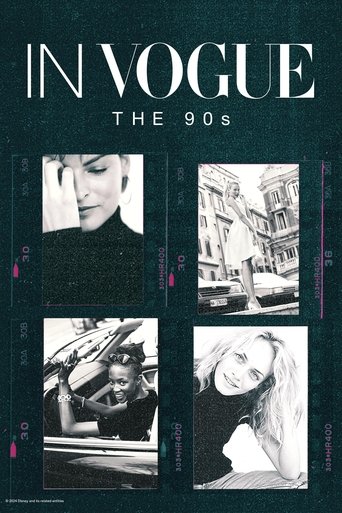
In Vogue: The 90s tells the story of the decade when fashion became part of everyday popular culture, Fresh Dressed traces the history of hip-hop fashion from the streets of New York to the catwalks of Paris, and Love, Cecil celebrates Cecil Beaton, the photographer and costume designer who won Academy Awards for the costumes of Gigi and My Fair Lady. Audrey follows Audrey Hepburn, whose elegance made her one of the great style icons, as well as an actress and humanitarian, and A Man's Story, The Tents and Eleven Minutes go behind the scenes of tailoring and New York Fashion Week.
Dance and ballet
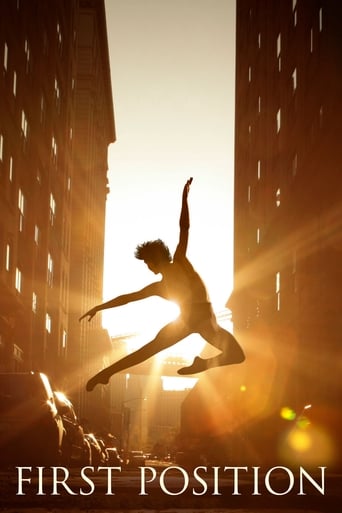
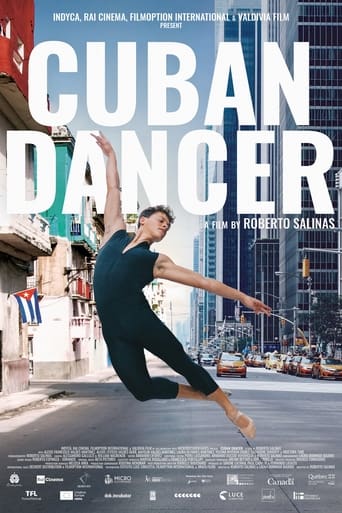
Dance documentaries capture the joy of movement and the hard work behind it, and the Dance and ballet shelf holds 23 titles. First Position follows six young dancers from around the world as they prepare for one of the most important ballet competitions for students, and it is one of the most inspiring films on AniSuge, full of dedication, friendship and nerves. Getting to the Nutcracker follows a ballet school in Los Angeles preparing its Christmas performance, The Children of Theatre Street, narrated by Princess Grace of Monaco, visits the great Kirov ballet school in Leningrad, and Cuban Dancer follows a young student of Cuba's national ballet school.
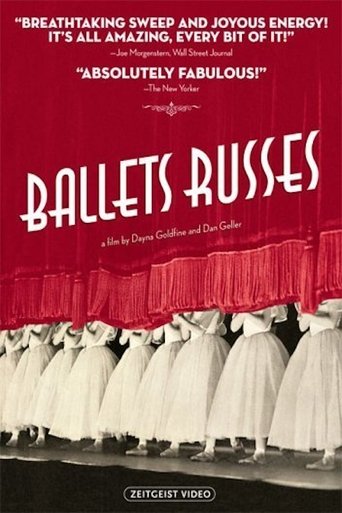
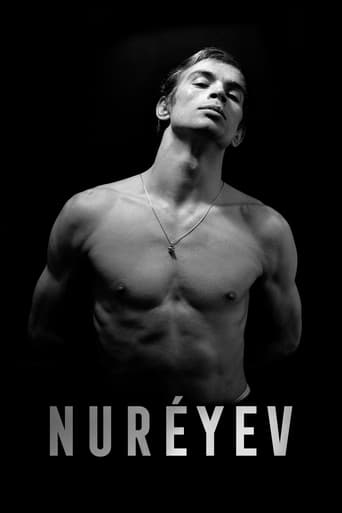
Ballet legends have their own films. Ballets Russes tells the story of the famous touring company that brought ballet to audiences across the world in the thirties and forties, with interviews with its dancers in their eighties and nineties. Nureyev follows the Soviet star who became the most famous male dancer in the world, Restless Creature: Wendy Whelan follows the great American ballerina as she prepares to leave New York City Ballet, and Suzanne Farrell: Elusive Muse celebrates the dancer who inspired the choreographer George Balanchine.
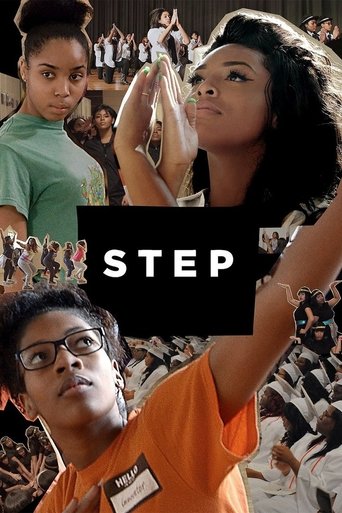
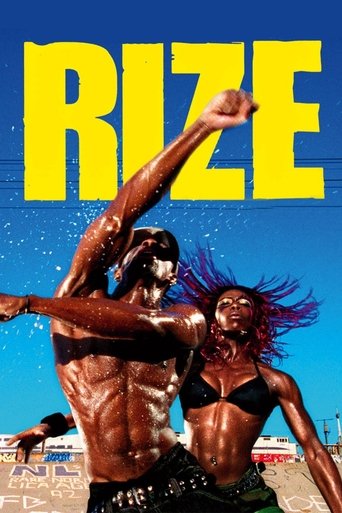
Dance happens far beyond the ballet stage too. Step follows the step team of a girls' high school in Baltimore through their senior year, a story of sisterhood and ambition, Rize celebrates the energetic dance styles of clowning and krumping from Los Angeles, The Freshest Kids tells the history of breaking from the Bronx to the world, and Move, a Netflix series, meets dancers and choreographers who are shaping movement around the globe. Dancing Across Borders follows a young Cambodian dancer discovered at Angkor Wat who trained to dance in America, and Rebels on Pointe follows a comic all-male ballet company that has delighted audiences for decades.
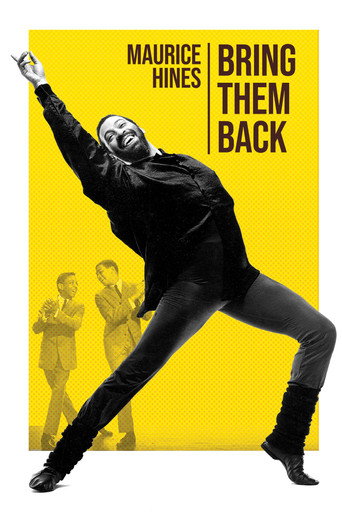
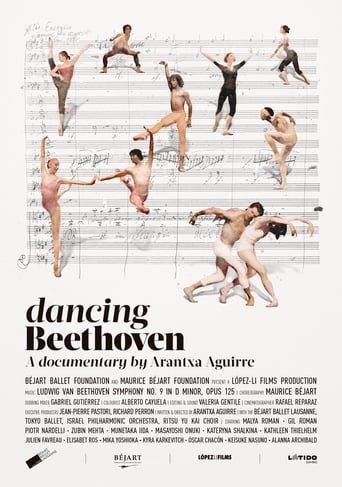
A few classics are treasures from the archive. A Dancer's World, from 1957, introduces the dance of Martha Graham, Flamenco at 5:15, an Oscar-winning short film, watches students at the National Ballet School of Canada learning flamenco, and The Bolero, another Oscar winner, follows an orchestra rehearsing Ravel's famous piece. Rhythm is it! follows two hundred and fifty Berlin schoolchildren as they rehearse a ballet with the Berlin Philharmonic Orchestra, and Dancing Beethoven follows dancers preparing a ballet to Beethoven's Ninth Symphony.
Stage and screen
The Stage and screen shelf gathers 13 titles about theatre, film music and cinema. Six by Sondheim tells the life of the composer Stephen Sondheim through six of his songs, and Original Cast Album: Company, filmed by D. A. Pennebaker in 1970, follows the long night of recording the cast album of Sondheim's musical Company. Phantom of the Opera: Behind the Mask tells the story of Andrew Lloyd Webber's famous musical, and Bathtubs Over Broadway is a hilarious and touching film about the songs written for company shows in the fifties and sixties, celebrating everything from bathroom fixtures to tractors.
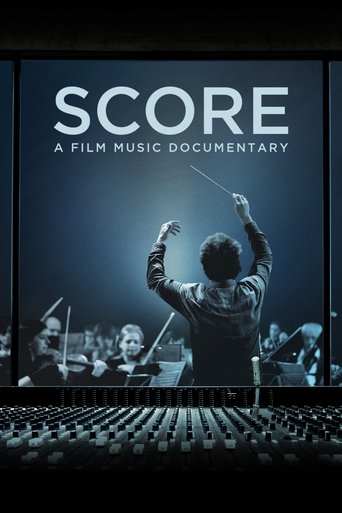
Score: A Film Music Documentary meets the composers who write music for the movies, from the great themes of Star Wars and Jaws to the scores of today, and Frank and Ollie celebrates Frank Thomas and Ollie Johnston, two of Walt Disney's famous animators, who brought Bambi, Pinocchio and many other characters to life. Kedi is a gentle, beautiful film about the street cats of Istanbul and the people who care for them, and it is one of the most popular titles on AniSuge for viewers of every age.
Women in art and design
Many of the most remarkable stories on AniSuge belong to women who changed art and design. Finding Vivian Maier rediscovers a photographer whose genius was revealed only after her death, Annie Leibovitz: Life Through a Lens follows one of the most famous portrait photographers in the world, and Louise Bourgeois: The Spider, The Mistress And The Tangerine meets a sculptor who was still making extraordinary work in her nineties. The Life and Times of Frida Kahlo and Leonora Carrington: The Lost Surrealist celebrate two painters whose bold imaginations were shaped by Mexico.
In design, Eames: The Architect and the Painter shows how Ray Eames shaped the famous chairs and films she made with her husband Charles, and Design Is One celebrates Lella Vignelli alongside her husband Massimo. In dance, A Dancer's World introduces Martha Graham, one of the founders of modern dance, and Restless Creature: Wendy Whelan and Suzanne Farrell: Elusive Muse celebrate two of the greatest ballerinas of their generations. And of course Sister Wendy's Story of Painting introduced millions of viewers to art through the eyes of a woman of extraordinary knowledge and joy.
Creative partnerships
Art is often made in pairs. Charles and Ray Eames worked side by side for decades, Massimo and Lella Vignelli designed everything from subway maps to dinner plates together, and the painters Ushio and Noriko Shinohara share a studio and a long, loving, complicated marriage in Cutie and the Boxer. Valentino Garavani and Giancarlo Giammetti built a fashion empire together, as Valentino: The Last Emperor shows, and the animators Frank Thomas and Ollie Johnston were lifelong friends and neighbours, as Frank and Ollie tells.
Some partnerships cross generations. In My Architect: A Son's Journey, Nathaniel Kahn gets to know his father through his buildings, and in Metaphor: King Vidor Meets with Andrew Wyeth, a great film director and a great painter discover how a film influenced a lifetime of paintings. These stories show children that creativity grows through friendship, conversation and shared work.
Art around the world
The catalogue travels the world. China, Russia and France have their own series in Art of China, The Art of Russia and Art of France, Italy appears in Leonardo: The Works, Italy's Invisible Cities and Saving Venice, and Greece and Jordan in Secrets of the Parthenon and Petra: Secrets of the Ancient Builders. Japan appears in Moriyama-San and Breathing Earth - Susumu Shingu's Dream, Brazil in Waste Land, Mexico in the Frida Kahlo films, Cuba in Cuban Dancer, Cambodia in Dancing Across Borders and Turkey in Kedi.
A family could spend months travelling the world of art this way, choosing a country each week, watching a documentary, cooking a dish from the same country and finding its artists in a library book. By the end, the map on the kitchen wall would be full of painters, builders and dancers.
Art for every age
Art and design documentaries suit almost every age. Younger children love the colour and humour of Bob Ross: The Happy Painter, Kedi, Painting Birds with Jim and Nancy Moir and Grand Designs, and short films such as Flamenco at 5:15 and The Bolero are perfect for a quick introduction to dance and music. The museum films are a good preparation for a family visit to a gallery.
Children from about nine to fourteen are the natural audience for First Position, Step, Waste Land, Finding Vivian Maier and If You Build It, which show young people and ordinary workers creating extraordinary things. Teenagers interested in art, design or architecture will find Helvetica, Abstract: The Art of Design, Objectified and Simon Schama's Power of Art both inspiring and useful, and grown-ups will enjoy the portraits of great artists and the long art-history series.
A few films describe difficult times in artists' lives or show famous paintings that include the human figure, and these are best watched together. Every title page lists the genres and running time, and the official services show age ratings and offer kids profiles.
Planning an art night
An art documentary can turn an ordinary evening into a creative one. Watch Bob Ross: The Happy Painter and then paint along with a simple landscape, or watch Finding Vivian Maier and then go for a walk with a camera to photograph your own street. After Helvetica, families can look for the famous typeface on signs and shops, and after Grand Designs they can draw the plan of their dream house.
Dance films invite movement: after First Position or Step, push back the furniture and learn a few steps together. Before a trip to a museum, watch National Gallery or Vermeer: The Greatest Exhibition, and on the visit look for the paintings and the people you met on screen. Save your choices to My List, export the list to the family television, and settle in.
How Watch now works
AniSuge is a guide, and every title page has a Watch now button that opens the documentary on JustWatch for the country you choose. JustWatch is a widely used service that lists where a title can be streamed on subscription, rented, bought or watched free with advertising. The country menu covers fifteen countries, including the United States, the United Kingdom, Canada, Australia, France, Italy, Germany, the Netherlands, Spain and Japan, and your choice is remembered in this browser.
Art documentaries are found on many services. Arts channels and public broadcasters often carry the great series, specialist services for documentaries and arts films carry many of the portraits, Netflix carries Abstract and Move, and the exhibition films are often available to rent or buy. Rights change from time to time, and the JustWatch page always shows the latest options.
The help pages
Fifteen short guides are linked from the buttons near the foot of the home page and from the footer. How to watch with AniSuge follows a title from the search bar to its official service, Finding a documentary gives search tips, and My List explains how to save titles and carry the list to another device.
The theme guides open the shelves one by one: Painters and museums, Modern artists, Sculpture and public art, Photography, Architecture and homes, Graphic and product design, Fashion, Dance and ballet, Stage and screen and Art series to binge, each with a few recommendations.
The practical pages cover Where AniSuge documentaries stream and The official AniSuge site, which describes how the real address looks.
Art in everyday life
Some of the best documentaries on AniSuge are about art in ordinary places. Helvetica reveals the typeface on the shop sign across the road, Objectified looks at the toothbrush and the kettle, Blue Gold: American Jeans tells the story of the trousers in the wardrobe, and Grand Designs shows ordinary families building extraordinary homes. Kedi finds beauty in the street cats of a great city, and Waste Land finds it in the people who sort a city's rubbish.
These films teach a simple lesson: art and design are everywhere, and everyone can notice them. A family walk after watching one of these films becomes a treasure hunt for interesting letters, buildings, patterns and colours, and children often begin to point out details that grown-ups had long since stopped seeing.
Made by hand
In an age of screens, many films celebrate things made by hand. The Stone Carvers follows craftsmen carving angels and gargoyles for a cathedral, Pressing On: The Letterpress Film celebrates printers setting type letter by letter, and Instant Dreams follows the people who rebuilt the chemistry of instant film. Fred Dibnah's Building of Britain celebrates the builders and engineers of the past, and If You Build It shows teenagers learning to weld, saw and build for the first time.
The dance films show a different kind of handmade art: years of daily practice that turn a body into an instrument. First Position, Getting to the Nutcracker and The Children of Theatre Street show how much patience goes into a single graceful moment on stage, and children who watch them often gain a new respect for practice of every kind, from music lessons to football training.
Art through the year
The calendar offers plenty of reasons for an art night. In December, Getting to the Nutcracker makes a perfect companion to a family trip to the ballet, and the warm interiors of Grand Designs suit long winter evenings. Spring is a good time for Painting Birds with Jim and Nancy Moir and for a walk with a sketchbook, and summer holidays are ideal for visiting a museum after watching National Gallery or The Great Museum.
When a famous exhibition opens in a nearby city, an exhibition film such as Vermeer: The Greatest Exhibition or Leonardo: The Works makes a wonderful preparation, and when a new building opens in town, Urbanized or The Human Scale can start a family conversation about how cities are made.
A short history of the art documentary
Filmmakers have been fascinated by artists since the earliest days of cinema. In the fifties and sixties, short films such as A Dancer's World, The Living Stone and Skyscraper brought dance, sculpture and architecture to new audiences, and some won Academy Awards. In the seventies, public broadcasters began commissioning long series about the history of art, and the tradition continues today in Sister Wendy's Story of Painting, Simon Schama's Power of Art and the series of Andrew Graham-Dixon and Waldemar Januszczak.
The 2000s brought a new kind of design documentary, led by Gary Hustwit's Helvetica, which showed that a film about a typeface could become a hit, and the 2010s brought portraits such as Finding Vivian Maier and First Position that reached audiences far beyond the art world. Today, exhibition films such as Vermeer: The Greatest Exhibition bring the world's great shows to cinemas and living rooms, and streaming series such as Abstract: The Art of Design and Move introduce designers and dancers to new generations.
Creative careers
Many children dream of a creative career, and these documentaries are a wonderful window into the many ways to make a living from art. They show painters and sculptors, photographers and curators, architects and engineers, typeface designers and product designers, fashion designers and tailors, dancers and choreographers, composers and animators, and the restorers and educators who care for great collections. Films such as National Gallery and The Great Museum show the many jobs behind a museum, and Abstract: The Art of Design shows how varied design can be.
They also show that creative careers often begin with simple curiosity. Vivian Maier carried her camera everywhere, the students of If You Build It began with sketches on paper, and the young dancers of First Position started as small children in local dance schools. For a young person with a sketchbook or a camera, these stories are a powerful encouragement.
Hidden gems
Beyond the famous titles, the catalogue rewards curious viewers. Bathtubs Over Broadway is one of the funniest documentaries ever made about music, Pressing On: The Letterpress Film is a love letter to old printing presses, and Going Attractions: The Definitive Story of the Movie Palace celebrates the golden age of cinemas. The Million Dollar Duck is a charming film about painting ducks for a national competition, and Eadweard Muybridge, Zoopraxographer tells the story of a photographer who helped invent the movies.
Moriyama-San spends a week with a man who lives in a remarkable house of separate small rooms in Tokyo, Learning To See follows a psychologist who became a photographer of insects in Colombia, and Breathing Earth - Susumu Shingu's Dream follows a sculptor whose works dance in the wind. Lamp is a short, quiet film of the director David Lynch building a lamp in his workshop.
Why art documentaries matter
Art documentaries teach us to look. After a good film about a painter, a photograph or a building, we notice colours, shapes and details we had passed by on countless ordinary days. They also show that art is made by real people, with patience, doubts, mistakes and breakthroughs, and that anyone can learn to draw, design, dance or build.
For families, these films are a way to share a love of beauty across generations, to prepare for a museum visit, to inspire a creative project or simply to spend an evening somewhere lovely. A child who has watched Waste Land or Kedi will look at a rubbish dump or a street cat with new eyes.
Happy viewing
Art, design and dance documentaries are generous films: they open the doors of studios, galleries, rehearsal rooms and workshops and let us meet the people inside. AniSuge gathers 156 of them, with a page for each and a button that leads to the official services, so the next journey into the world of art is only a few clicks away. Choose a title, gather the family and enjoy the view.
Getting ready for a museum visit
A documentary is one of the best ways to prepare for a family trip to a museum or gallery. Before visiting a collection of old masters, watch an episode of Sister Wendy's Story of Painting or Simon Schama's Power of Art and choose two or three paintings to look for. Before a modern art museum, watch Hockney, Gerhard Richter Painting or Soft Self-Portrait of Salvador Dali, and before a photography exhibition, Finding Vivian Maier or American Photography: A Century of Images. Children enjoy the visit far more when they arrive looking for something they already know.
The behind-the-scenes films National Gallery and The Great Museum are especially useful, because they show the restorers, guards, educators and curators who make a museum work. After watching them, children often ask about the people they see in the galleries, and a museum visit becomes a chance to meet the community behind the collection as well as the art itself.
Making art at home
Many families find that an art documentary leads straight to the kitchen table. After Bob Ross: The Happy Painter, set out paints and try a simple landscape; after Waste Land, make a picture from bottle tops, buttons and scraps of paper; after Helvetica or Pressing On: The Letterpress Film, design a poster with cut-out letters. After Grand Designs, build a model house from cardboard, and after First Position or Step, invent a short dance and perform it for the family.
These projects need very little: paper, pencils, glue, a few old boxes and a little time. What matters is the spark that a good film provides, the feeling that making something beautiful is possible for anyone willing to try. Keep the finished pieces, and a family gallery will soon fill a wall of the house.
A perfect first night
If you are new to art documentaries, begin with a film that the whole family can enjoy together. Kedi is gentle and beautiful, First Position is exciting and full of heart, Finding Vivian Maier is a real-life mystery, and Waste Land is moving and hopeful. For a series to follow over several evenings, Grand Designs or Abstract: The Art of Design are easy to enjoy even for viewers who know little about architecture or design. After the first film, let each member of the family choose the next one from their favourite shelf, and soon everyone will have a favourite artist, designer or dancer to share.
Questions
What is AniSuge?
AniSuge is a guide to 156 documentaries about art, design and performance made between 1957 and 2026, with a Watch now button that opens each title on JustWatch for your country.
What kinds of documentaries are included?
Painters and museums, sculpture and public art, photography, architecture and homes, graphic and product design, fashion, dance and ballet, and the stage and screen.
Is this an anime site?
AniSuge keeps the look of the anime site it is named after, and its catalogue is made of real-world documentaries about art and design chosen for families.
How does Watch now work?
Choose your country and press Watch now. JustWatch opens with the subscription, rental, purchase and free services that carry the title where you live.
Are the documentaries suitable for children?
The catalogue is chosen by hand for family viewing, and the guides point out the best titles for younger viewers.
Which art history series are here?
Sister Wendy's Story of Painting, Simon Schama's Power of Art, How Art Made The World, Art That Made Us and the series of Andrew Graham-Dixon and Waldemar Januszczak.
What is My List?
My List keeps the titles you plan to watch in your browser. You can export it to a small file and import it on another device.
Where do the posters and details come from?
Posters, running times, episode lists and production details come from TMDB. The guides and help pages are written for AniSuge.
Which titles should I start with?
Finding Vivian Maier, First Position, Helvetica, Waste Land and Kedi make a wonderful first selection.
Does AniSuge host the documentaries?
AniSuge is a guide. Watch now leads to the official services that carry each title in your country.